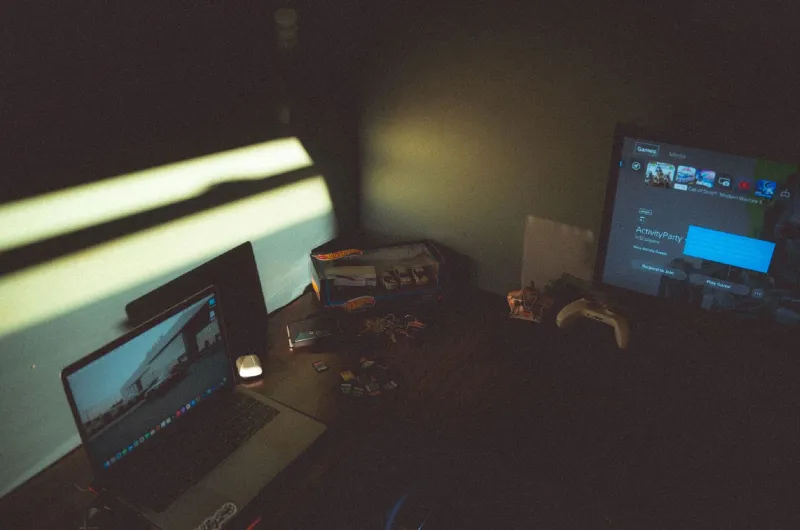
Five Hundred Bucks and a Bedroom: How One Mod Broke a Dead Robot Game Wide Open on Twitch
There's a version of this story where Marcus Delray — a 26-year-old from Columbus, Ohio who fixes HVAC systems by day — stays a nobody. Where his mod gets uploaded to a forum, collects maybe 80 downloads, and quietly vanishes. That's the version that happens 99 times out of 100.
This wasn't that version.
In early 2024, Delray released a hardware modification for Iron Fracture, a 2021 indie robot combat game that had flatlined commercially within six months of launch. The mod cost him $487 in parts, took four months of weekend tinkering, and transformed the game's clunky feedback loop into something streamers couldn't stop screaming about. Within eight weeks of release, Iron Fracture had jumped from a concurrent player count of roughly 380 to over 14,000 on its best days. Clips were everywhere. The game's original developer — a two-person studio based in Portland — reportedly cried when they saw the Steam charts.
What the Mod Actually Does
To understand why this worked, you have to understand why Iron Fracture failed in the first place.
The game had a genuinely interesting concept: asymmetric robot combat where one player pilots a massive industrial mech and three others control smaller, faster drones trying to dismantle it. The problem was feedback. When a drone landed a hit on the mech, or the mech swatted a drone out of the air, the sensation was flat. Thin. A standard controller rumble that felt like a polite suggestion rather than a metal-on-metal collision. Players bounced off fast.
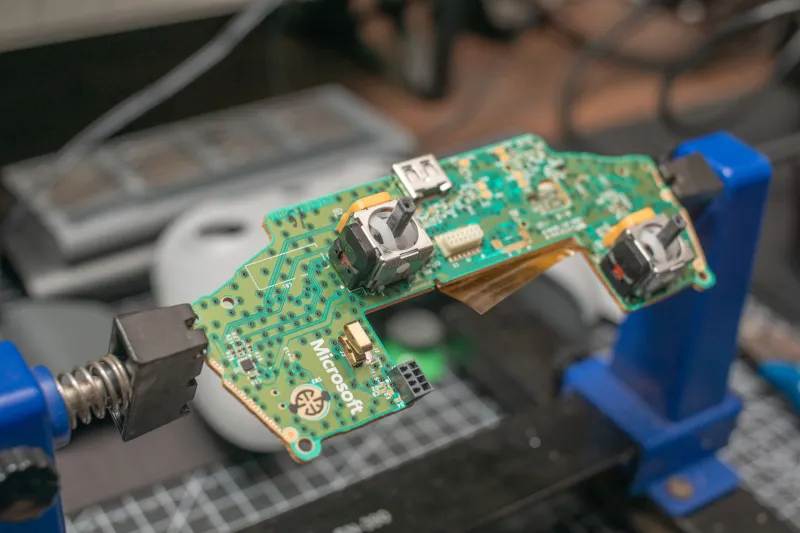
Delray's mod — which he branded the RFX-1 feedback bridge — physically intercepts the game's haptic output signals and routes them through a custom microcontroller he built from off-the-shelf components. The controller reassigns impact events to a layered vibration profile, with different frequencies for different hit types. A glancing blow feels genuinely different from a direct strike. A catastrophic mech fall sends a low, rolling rumble through your hands that lasts almost two full seconds.
"The original game was whispering," Delray told us over a Discord call. "I just turned up the volume. Except it wasn't really volume — it was texture. Every hit has a different texture now."
The parts list is surprisingly accessible: an Arduino Mega clone, a set of eccentric rotating mass motors sourced from a phone repair wholesale site, a 3D-printed housing Delray designed himself, and about $30 in wiring and connectors. The build instructions, which he posted for free, run to 47 pages.
Streamers Who Owe This Guy a Thank-You Card
Ask Priya "Priyamatic" Suresh — a Dallas-based variety streamer with around 80,000 followers — what her channel looked like before she picked up Iron Fracture with the RFX-1 mod, and she'll give you a brutally honest answer.
"I was coasting," she says. "Same rotation of games, same mid-tier viewership, same everything. I almost didn't even try it. My chat kept spamming me about it for like two weeks before I caved."
The session she finally streamed got clipped 34 times. One clip — where a mech stomp sends her physically lurching back in her chair from the feedback intensity — has 2.1 million views on Twitter/X.
"The mod makes the game watchable in a way it wasn't before," she says. "You can see the reaction on my face when something hits. You're watching me feel the game. That's content."
That dynamic — the visible, physical reaction — is exactly what Twitch's algorithm rewards, and Delray stumbled onto it without any kind of streaming strategy in mind. He'd never even set up a stream when he released the mod. His first Twitch account was created three days after the initial upload, after viewers started tagging him in clips.
Why Corporate Versions Kept Whiffing
Here's the uncomfortable part of this story for the major hardware manufacturers: it's not like nobody tried.
In the two years before Delray's mod dropped, at least three major peripheral brands released "enhanced haptic" products specifically marketed for mech and robot combat games. All of them underperformed. One was quietly discontinued after seven months. The others still exist on Amazon, sitting at 3.2 stars with reviews that mostly say some version of "felt generic."
The difference, according to Delray and the streamers we talked to, comes down to specificity. The corporate products were built to work across hundreds of games, which meant they were optimized for none of them. Delray built his mod for Iron Fracture. Every vibration profile was tuned to that game's specific hit events, its specific physics engine, its specific audio cues.
"A Swiss Army knife is worse than a kitchen knife at cutting vegetables," Delray says. "I made a kitchen knife."
The game's original developers — Threshold Interactive, the two-person Portland studio — have since partnered with Delray to make the RFX-1 officially supported in a patch. They've also reportedly fielded licensing inquiries from two mid-size peripheral manufacturers who want to build a retail version. Delray says he's "listening but not rushing."
The Part Nobody Expected
What makes the Iron Fracture story genuinely weird is how little any of it was planned. No marketing push. No influencer seeding. No PR firm. Just a guy who liked a game that felt wrong, fixed it, and posted the fix.
The streaming community found it. Algorithms amplified it. And a game that was functionally dead got a second life that its creators never anticipated.
Delray still fixes HVAC systems. He's not quitting his day job yet, though he admits the licensing conversations are getting harder to ignore. His Discord server — which didn't exist before the mod — now has over 12,000 members building variations of the RFX-1 for other games.
Some of those builds are already circulating. None of them have broken anything open the way the first one did. But that's the thing about bedroom tinkerers with a specific obsession and a soldering iron: you never know which one is next.