Why Teenage Gamers Keep Bodying Humanoid Robots in Fighting Games

There's a particular kind of humiliation reserved for humanoid robot characters in fighting games. Developers pour years into their design — hyper-detailed joint articulation, physics-accurate weight distribution, motion-captured movement pulled from actual robotics labs — and then tournament players, many of them still in high school, proceed to absolutely dismantle them. Round after round. Tournament after tournament.
This isn't a fluke. It's a pattern. And it reveals something genuinely fascinating about the gap between what looks cool and what actually works inside a competitive meta.
The Uncanny Valley Has a Health Bar
Most people know the uncanny valley as a visual problem — the unsettling dip in human comfort that happens when something looks almost human but not quite. What fewer people talk about is how that same phenomenon bleeds into gameplay.
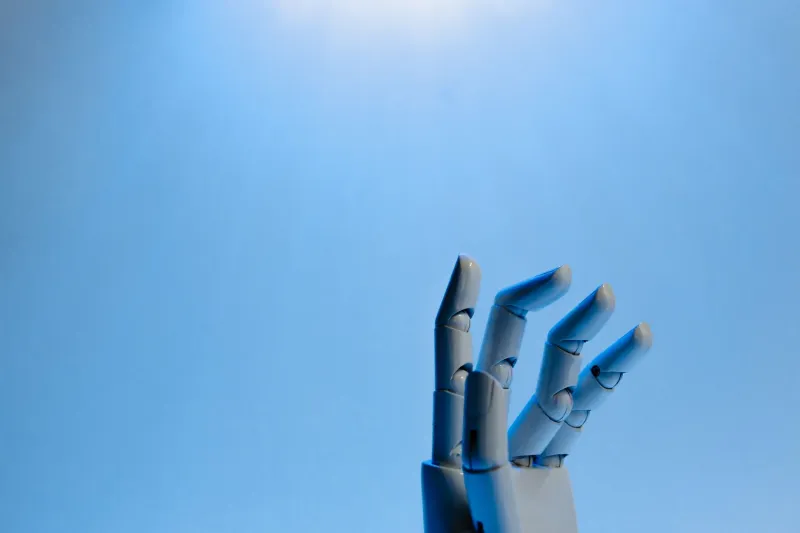
When a developer designs a humanoid robot fighter to move realistically, they're essentially building in limitations that real-world robots actually have. Slower pivot speeds. Deliberate weight shifts before attacks. Recovery animations that mirror genuine mechanical inertia. It all looks stunning in a trailer. In a match against a seasoned player, those same animations become a roadmap to free damage.
Competitive players don't see a cool robot. They see a hitbox with a wind-up problem.
Games like Steel Protocol and Apex Iron (both of which leaned hard into realistic humanoid robot design) saw their robot-class characters sit at the bottom of tier lists within months of release. The community didn't hate the aesthetic — they loved it. They just refused to play it at a high level, because the movement philosophy was fundamentally misaligned with what winning requires.
Realism Is the Enemy of Optimization
Here's the core tension: fighting game mastery is built on exploiting patterns, minimizing recovery frames, and maximizing threat windows. The entire competitive ecosystem runs on players finding the fastest, most unpredictable, most frame-efficient ways to deal damage.
Realistic humanoid movement is the opposite of that. Real robots — and characters designed to emulate them — telegraph. They commit. They have momentum. Those are features in a robotics demo. In a fighting game, they're exploitable weaknesses that experienced players will find and abuse within hours of a game going live.
Dr. Marcus Teel, a game design lecturer who has written extensively on character archetype psychology, put it bluntly in a 2023 panel: "Players don't want to fight like a robot. They want to fight against one. The moment you make a robot character feel robotic to control, you've already lost half your competitive audience."
The characters that dominate competitive rosters — even in games with heavy sci-fi or mechanical aesthetics — tend to be the ones with fluid, almost organic movement. Ironically, the most successful "robot" fighters in games like Tekken or Mortal Kombat work because they've been quietly humanized under the hood.
The Psychology of Fighting a Machine
There's another layer here that doesn't get discussed enough: player psychology when they're facing a humanoid robot opponent.
When you fight a human-looking character, your brain pulls from a lifetime of reading human body language. You anticipate. You react to micro-cues in animation that your nervous system has been trained to recognize since childhood. That pattern recognition is a huge part of what makes high-level fighting game play feel intuitive.
Humanoid robots disrupt that. Their movement is just familiar enough to trigger those instincts, but just wrong enough to create hesitation. For casual players, that hesitation feels intimidating — the robot seems unpredictable. For elite players, that same disruption gets processed, catalogued, and neutralized within a few matches. After that, the robot's readable mechanical patterns become easier to exploit than a well-designed human fighter's would be.
The uncanny valley, in this context, only intimidates people who haven't spent enough time in it. Grind long enough, and the valley flattens out.
Developers Keep Making the Same Mistake
What's almost painful to watch is how often studios repeat this cycle. A new fighting game drops with a heavily marketed humanoid robot character. The reveal trailer goes nuts online. Pre-release, the character is considered potentially broken — too powerful, too intimidating. Then the game ships, the competitive community gets their hands on it, and within a month the robot is sitting in B or C tier while everyone else has moved on.
The reason studios keep stumbling into this trap is probably commercial rather than creative. Realistic humanoid robots sell. They look incredible in marketing. They generate hype. The disconnect between "looks dominant" and "plays dominant" doesn't show up until the community has had time to break the game apart, and by then the marketing cycle has already done its job.
But the players notice. And increasingly, they're vocal about it. Communities around games like Iron Circuit have entire forum threads dedicated to cataloguing exactly why the game's flagship robot characters underperform, with frame-data breakdowns that are more rigorous than anything the development team published.
What This Actually Reveals
Strip away the aesthetics, and this whole phenomenon points to something worth sitting with: the gap between our idea of what a robot should be and what actually performs in a high-stakes environment.
We imagine robots as dominant. Precise. Overwhelming. And in the real world, in the right context, they are. But fighting games aren't about raw capability — they're about adaptability, creativity, and exploiting the specific rule set in front of you. Those are human strengths. And right now, humans are using them to embarrass the machines built to replace them.
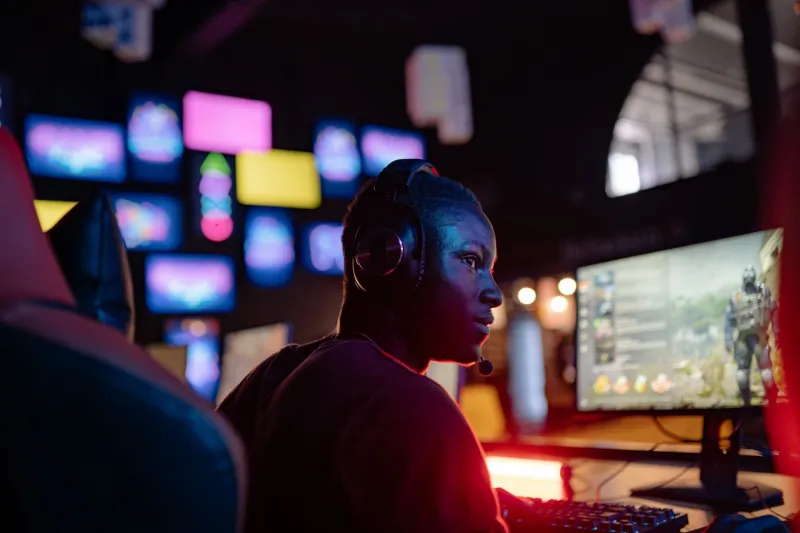
There's something almost poetic about a teenager in a headset, energy drink in hand, systematically dismantling a multi-million-dollar robot design with a pocket character and a read on the frame data.
The robots look better. The kids keep winning. And until developers figure out how to bridge that gap — between what realism looks like and what competition demands — that's probably not changing anytime soon.